Understanding Pregnancy Urine Test: A Guide to Urine Dipstick Tests for Pregnancy
Updated: Jan 29
Pregnancy detection is a significant moment in many lives. One of the most common and accessible methods to confirm pregnancy is through a urine test. Among these, the urine dipstick test stands out for its simplicity and reliability. This article explores the essentials of pregnancy urine tests, focusing on how urine dipstick tests work, their accuracy, and practical tips for use.
What Is a Pregnancy Urine Test?
A pregnancy urine test is a diagnostic tool used to detect the presence of the hormone human chorionic gonadotropin (hCG) in urine. This hormone is produced shortly after a fertilized egg attaches to the uterine lining. The test is widely used because it is non-invasive, quick, and can be done at home or in a clinical setting.
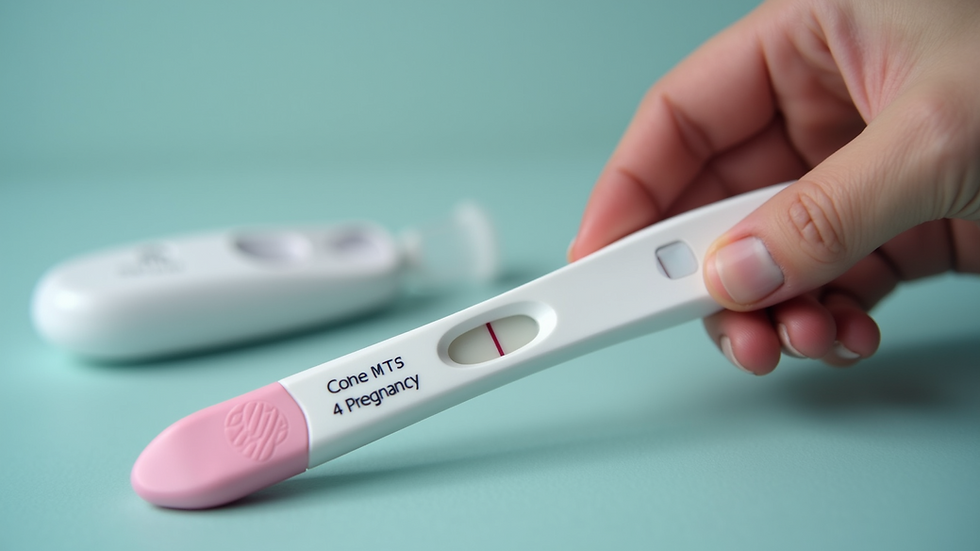
Pregnancy urine tests come in various forms, but the dipstick test is one of the most popular due to its ease of use. It involves dipping a specially treated strip into a urine sample and waiting for a color change that indicates the presence or absence of hCG.
How Does the Pregnancy Urine Test Work?
The test strip contains antibodies that react specifically with hCG. When hCG is present in the urine, it binds to these antibodies, causing a visible color change on the strip. This change usually appears as a line or symbol, which can be compared against a control to confirm the result.

Understanding the Accuracy of Pregnancy Urine Tests
Pregnancy urine tests are generally reliable, but their accuracy depends on several factors:
Timing of the test: Testing too early can result in a false negative because hCG levels may not be high enough to detect.
Concentration of urine: First-morning urine is usually more concentrated and provides more accurate results.
Following instructions: Proper use of the test according to the manufacturer's guidelines is crucial.
Expiration date: Using an expired test can affect accuracy.
Most tests claim to be over 99% accurate when used correctly after a missed period. However, if the result is unclear or unexpected, it is advisable to repeat the test after a few days or consult a healthcare professional.
How to Test Pregnancy with a Dipstick?
Testing pregnancy with a dipstick is straightforward. Here is a step-by-step guide to ensure accurate results:
Collect a urine sample: Use a clean container to collect your urine, preferably the first urine of the day.
Dip the test strip: Immerse the dipstick into the urine sample up to the indicated mark for the time specified in the instructions (usually a few seconds).
Remove and lay flat: Take the strip out and place it on a clean, dry surface.
Wait for the result: Allow the strip to develop for the recommended time, usually 1-5 minutes.
Read the result: Compare the color change or lines on the strip to the control indicator on the packaging.
If two lines or a specific symbol appear, it usually indicates pregnancy. One line or no change typically means the test is negative.
Tips for Best Results
Use the test first thing in the morning.
Avoid drinking excessive fluids before testing.
Follow the instructions carefully.
Check the expiration date before use.
Advantages and Limitations of Urine Dipstick Tests
Advantages
Convenience: Can be done at home without medical supervision.
Speed: Results are available within minutes.
Cost-effective: Generally inexpensive compared to blood tests.
Non-invasive: No needles or blood samples required.
Limitations
False negatives: Possible if tested too early or if urine is diluted.
False positives: Rare but can occur due to certain medical conditions or medications.
User error: Misreading results or improper testing can lead to incorrect conclusions.
Not definitive: A positive test should be followed by a healthcare provider’s confirmation.
When to Seek Medical Advice After a Pregnancy Urine Test
If the test is positive, it is important to schedule an appointment with a healthcare provider to confirm the pregnancy and begin prenatal care. If the test is negative but pregnancy symptoms persist, or if there is any doubt about the result, consulting a doctor is recommended.
Additionally, if you experience unusual symptoms such as heavy bleeding, severe pain, or signs of infection, seek medical attention immediately.
Final Thoughts on Pregnancy Urine Testing
Pregnancy urine tests, especially the dipstick variety, offer a practical and accessible way to detect pregnancy early. Understanding how to use these tests correctly and interpreting the results accurately can provide peace of mind and help guide the next steps in pregnancy care.
For those interested in learning more about the science and use of these tests, exploring resources on the urine dipstick test for pregnancy can provide valuable insights.
By following the guidelines and tips outlined here, you can confidently use pregnancy urine tests and take control of your reproductive health journey.

Comments